Megaherbivores and the Spreading of Plant Life
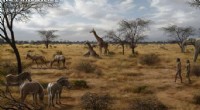
Giant herbivorous dinosaurs, with their enormous appetites, consumed massive quantities of vegetation. As they moved across the landscape in search of food, these animals would ingest fruits, seeds, and other plant parts along with the foliage they devoured. The seeds that they ingested would endure a journey through their digestive systems, often emerging unharmed or even enhanced by the process.
Once expelled through their droppings, the seeds would find new homes in various locations, potentially distant from the parent plant. By transporting seeds over long distances, dinosaurs facilitated the expansion and migration of plant species. Over time, this process played a crucial role in the colonization of new areas and the establishment of different vegetation communities.
Examples of Dinosaurs as Seed Dispersers
Among the prominent dinosaur herbivores that likely contributed significantly to seed dispersal are the following:
Sauropods: These gentle giants, such as the Brontosaurus and Diplodocus, were herbivorous dinosaurs characterized by their long necks and tails. Their browsing habits allowed them to reach high foliage and consume a variety of plants. As they roamed over vast territories, they dispersed seeds across immense distances, promoting the growth of plant communities in their wake.
Hadrosaurs: Also known as duck-billed dinosaurs, hadrosaurs were another group of herbivores with specialized beaks and dental structures. They fed selectively on softer plant material, such as leaves and fruits, and dispersed the seeds of those plants through their feces.
Ceratopsians: These dinosaurs, famously represented by the Triceratops, were equipped with prominent horns and frills. While their plant-eating habits were not as extensive as those of sauropods and hadrosaurs, they still contributed to seed dispersal within their local environments.
Other Means of Seed Dispersal
Dinosaurs were not the sole agents of seed dispersal during the prehistoric era. Wind, water, and even other animal species played vital roles in spreading seeds. However, the remarkable mobility of dinosaurs, combined with their widespread presence and specialized digestive systems, made them particularly effective in transporting seeds across varied habitats.
The Legacy of Dinosaur Seed Dispersal
The impact of giant dinosaurs as seed dispersers continued to shape the world even after their extinction. Many of the plant species they helped spread persisted, forming the foundation of the diverse flora we see today. Their role as inadvertent gardeners of the prehistoric world remains an integral and fascinating chapter in the history of life on Earth.