1. Pathogen Management:
- Honeybee Health: Regularly monitor beehives for common pathogens such as Varroa mites, Nosema ceranae, and Deformed Wing Virus (DWV). Implement integrated pest management strategies to control these pests and diseases.
- Prevent Spread: Avoid transporting bees from infected to non-infected areas. Quarantine new bees and use hygienic measures when handling beekeeping equipment.
- Promote Diversity: Encourage genetic diversity within bee populations by introducing new queens from different sources. Diverse colonies are more resilient to diseases.
2. Flower Power:
- Diverse Floral Sources: Offer diverse floral resources throughout the year to provide a balanced and nutritious diet for bees.
- Native Plants: Incorporate native plants that bees prefer into landscapes, gardens, and urban areas. Native flowers are often more adapted to local bee species.
- Avoid Harmful Pesticides: Minimize the use of broad-spectrum pesticides, especially during bloom periods. Opt for targeted pest control methods that spare beneficial insects.
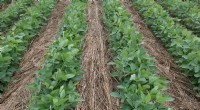
- Bee-Friendly Agriculture: Support farmers who adopt bee-friendly practices, such as planting flowering cover crops and hedgerows, reducing pesticide use, and allowing for wildflower growth.
3. Education and Advocacy:
- Raise Awareness: Educate the public and policymakers about the importance of bees and the threats they face. Raise awareness about the impact of pathogens, loss of habitat, and pesticides.
- Support Conservation Efforts: Support organizations and initiatives dedicated to bee conservation and habitat restoration.
- Advocate for Policy Change: Push for policies that promote sustainable agriculture, reduce pesticide use, and protect bee habitats.
4. Habitat Enhancement:
- Nesting Sites: Provide nesting sites for wild bees by creating bee hotels or leaving undisturbed areas with hollow stems, logs, and rocks.
- Diverse Habitats: Create diverse habitats that include nesting sites, water sources, and flowering plants in close proximity.
- Reforestation: Support reforestation efforts to increase the availability of natural habitats and floral resources.
By addressing pathogens, providing diverse floral sources, raising awareness, and enhancing habitats, we can work together to create a healthier and more sustainable environment for bees and other pollinators.