Proterozoic Oxygenation Event:
- During the Proterozoic eon, around 2.3 billion years ago, there was a significant increase in atmospheric oxygen levels known as the Great Oxygenation Event.
- This rise in oxygen facilitated the evolution of aerobic organisms, which utilize oxygen for respiration. It allowed complex life forms to thrive and ultimately led to the diversification of eukaryotic organisms.
Cambrian Explosion:
- The Cambrian period, which began approximately 541 million years ago, experienced a sudden proliferation of marine animal life.
- This rapid diversification during the Cambrian Explosion might have been stimulated by increasing oxygen levels. Higher oxygen availability permitted larger body sizes, increased metabolic rates, and the evolution of diverse ecological niches.
Carboniferous Period and Giant Insects:
- During the Carboniferous period, between 359 and 299 million years ago, atmospheric oxygen levels were significantly higher than today, possibly reaching up to 35%.
- This abundance of oxygen facilitated the evolution of gigantic insects, including dragonflies with wingspans up to 2.5 feet (75 centimeters) and millipedes reaching lengths of over 2 feet (60 centimeters).
End-Permian Extinction:
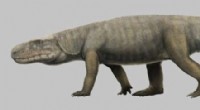
- At the end of the Permian period, about 252 million years ago, a mass extinction event occurred that claimed over 95% of marine species and 70% of terrestrial vertebrate species.
- One of the proposed causes for this extinction is a reduction in atmospheric oxygen levels as a result of volcanic activity and wildfires. This decrease in oxygen may have put significant stress on animals' respiratory systems and caused widespread mortality.
Fluctuating Oxygen Levels and Evolutionary Resilience:
- Periods of changing oxygen levels also prompted certain animal groups to develop adaptations for surviving in low-oxygen environments. For instance, some fishes and amphibians exhibited physiological adaptations, such as increased efficiency in oxygen extraction, which enabled them to thrive in hypoxic (low-oxygen) conditions.
Overall, fluctuating oxygen levels throughout Earth's history have exerted a strong influence on animal evolution. These changes not only facilitated the rise and diversification of certain species but also played a role in mass extinctions, sculpting the trajectory of life on our planet.