- A common bacterium, *Escherichia coli*, may spread from the intestine to other organs, including the liver and spleen, via a process called lymphocyte-mediated translocation.
- This process involves the transport of bacteria by immune cells known as lymphocytes.
- The study's findings highlight a potential mechanism by which gut bacteria can disseminate and cause systemic infections.
Detailed Summary:
The study focused on understanding the mechanisms by which a common gut bacterium, *Escherichia coli*, can spread from the intestine to other organs. The researchers used a mouse model to investigate the potential role of lymphocytes, which are immune cells responsible for transporting substances throughout the body.
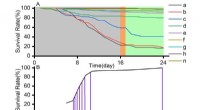
They observed that under normal conditions, *E. coli* was confined to the intestine and did not spread to other organs. However, when the mice were exposed to certain stressors, such as antibiotic treatment or chemical injury to the intestine, the researchers observed a significant increase in the translocation of *E. coli* to the liver and spleen.
Further investigation revealed that this translocation occurred via lymphocyte-mediated transport. The lymphocytes would take up *E. coli* from the intestine and carry it to the liver and spleen, where the bacteria could potentially cause infections.
The study's findings suggest that lymphocyte-mediated translocation may play an important role in the dissemination of gut bacteria and the development of systemic infections. These findings have implications for understanding the pathogenesis of various diseases and infections associated with gut bacteria.