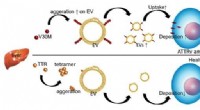
In order to develop effective strategies for managing verticillium wilt in olive trees, it is essential to understand the molecular mechanisms underlying the interaction between the fungus and its host. Recent research has shed light on some key aspects of this interaction.
One important factor in the pathogenicity of V. dahliae is the production of phytotoxins. Phytotoxins are small molecules that can be toxic to plants and play a crucial role in the disease process. V. dahliae produces several phytotoxins, including verticillin, which has been shown to cause wilting and necrosis in olive trees.
In addition to phytotoxins, V. dahliae also produces enzymes that can degrade the plant cell walls. These enzymes help the fungus spread within the plant and contribute to the development of disease symptoms.
The plant's immune system plays a role in combating the infection. Olive trees produce a variety of defense-related proteins in response to V. dahliae infection. These proteins include pathogenesis-related (PR) proteins, which are involved in various defense mechanisms.
However, the fungus has developed mechanisms to suppress the plant's defense responses. V. dahliae produces a protein called Ve1 that can interfere with the plant's RNA silencing pathway, a key component of the plant immune system. By suppressing RNA silencing, the fungus can evade the plant's defense mechanisms and establish a successful infection.
Understanding the molecular mechanisms underlying the interaction between V. dahliae and olive trees is critical for developing effective management strategies for verticillium wilt. This knowledge can guide the development of resistant rootstocks, biological control agents, and chemical treatments to protect olive trees from this destructive disease.