1. Early Detection and Monitoring: AI-powered object recognition technology can be used to analyze images of wheat fields and identify any signs of disease or nutrient deficiency. This enables early detection and allows farmers to take prompt action to prevent the spread of disease and minimize losses.
2. Precision Spraying: Equipped with AI-powered object recognition, agricultural machinery can selectively apply pesticides or fertilizers only to areas where they are needed. This precision approach minimizes chemical use, reduces costs, and helps avoid the indiscriminate application of chemicals, benefiting the environment and minimizing harm to beneficial insects.
3. Varietal Selection: The technology can help identify disease-resistant wheat varieties. By analyzing historical data and using machine learning algorithms, AI can recommend the best wheat varieties for specific regions and growing conditions, reducing the risk of disease outbreaks.
4. Data Analysis and Research: AI-powered object recognition can assist researchers in analyzing large datasets of wheat disease images. This facilitates the identification of patterns, trends, and relationships between different disease symptoms and environmental factors. Such insights contribute to the development of more effective disease management strategies.
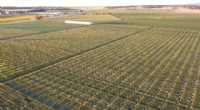
5. Remote Sensing and Drone Technology: AI-powered object recognition can be integrated with remote sensing technologies and drones. This combination enables the monitoring of vast wheat fields from the air, providing valuable data for disease detection and overall crop health assessment.
6. Automated Scouting and Reporting: AI-enabled systems can be deployed to regularly scout wheat fields, capturing images and analyzing them for disease symptoms. This automation reduces manual labor and enables farmers to receive timely and accurate reports on the health of their crops.
7. Disease Prediction and Forecasting: By analyzing historical disease data and combining it with real-time weather and climate information, AI can predict disease outbreaks and provide farmers with early warnings. This enables proactive disease management and preventive measures.
8. Decision Support Systems: AI-powered object recognition technology can be integrated into decision support systems, aiding farmers in making informed choices regarding crop management practices, including disease control strategies.
Overall, AI-powered object recognition technology has the potential to revolutionize wheat disease management. By providing accurate, real-time information and enabling targeted interventions, this technology can help farmers optimize their crop protection practices, reduce losses, and ensure sustainable wheat production.