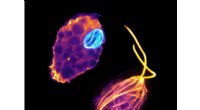
Imagine these photosynthetic bacteria as minuscule solar panels floating in the water. They contain specialized structures called chromatophores that act like microscopic antennas. These chromatophores contain pigments, such as chlorophyll, which absorb specific wavelengths of sunlight.
When sunlight strikes the chlorophyll molecules, it excites their electrons, causing them to jump to higher energy levels. This energy boost initiates a series of chemical reactions, the most important of which is the splitting of water molecules.
Water molecules consist of two hydrogen atoms and one oxygen atom. During photosynthesis, the excited electrons from chlorophyll transfer to other molecules, creating an electron transport chain. As the electrons move along this chain, they release energy used to produce adenosine triphosphate (ATP). ATP is the primary energy currency for cells, and its production is essential for various cellular processes.
Simultaneously, the splitting of water molecules generates oxygen as a byproduct. This oxygen is released into the atmosphere, contributing to the bay's overall oxygen levels. It is essential for the survival of many marine organisms, including fish, crabs, and dolphins, that rely on oxygen for respiration.
The hydrogen atoms resulting from water splitting are combined with carbon dioxide to form organic compounds, such as glucose, through a series of chemical reactions known as the Calvin cycle. These organic compounds serve as food for the photosynthetic bacteria, fueling their growth and reproduction.
The remarkable ability of Chesapeake Bay bacteria to snack on sunlight through photosynthesis has significant ecological implications. These bacteria form the foundation of the food web, providing sustenance for microscopic organisms like zooplankton, which in turn become food for larger organisms, such as fish.
Furthermore, their photosynthetic activities contribute to the production of oxygen and the removal of carbon dioxide from the water, playing a role in maintaining the delicate balance of the bay's ecosystem. Scientists continue to study these tiny powerhouses to better understand their contributions to the health and resilience of the Chesapeake Bay and other marine environments.