1. Spore Attachment and Infection:
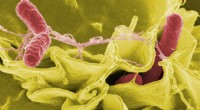
- Fruit flies become infected when they come into contact with the sticky spores of the fungus, which often grow on surfaces near fruit or other food sources. These spores can attach to the fly's body, wings, or mouthparts.
- The spores then germinate and penetrate the fly's cuticle, allowing the fungus to establish an infection within the fly's body.
2. Behavioral Manipulation:
- As the fungal infection progresses, the fly's behavior becomes altered. The fungus starts producing chemicals that manipulate the fly's neurological system, particularly affecting its locomotor and phototaxis behaviors.
- Infected flies exhibit positive phototaxis, meaning they are strongly attracted to light. Normally, fruit flies tend to avoid bright light, but the fungal influence causes them to move toward it.
3. Climbing Behavior:
- One of the most notable effects of the fungal manipulation is the fly's tendency to climb to high points. Infected flies will climb up walls, windows, or other elevated surfaces, often reaching as high as they can.
- This climbing behavior is essential for the fungus because it allows the fly to be in a better position for spore dispersal. By climbing high, the infected fly increases the chances of releasing the spores into the air and spreading them to new hosts.
4. Death and Spore Release:
- Once the infected fly reaches a high point, its body becomes immobilized, and it eventually dies. The fungal hyphae grow throughout the fly's body, using the nutrients to produce more spores.
- The dead fly, now covered in fungal growth, becomes a spore-producing factory, releasing millions of spores into the surrounding environment. These spores can then infect other fruit flies and continue the cycle.
5. Dispersal and Transmission:
- By manipulating the fruit flies' behavior and inducing them to climb high, the fungus ensures efficient spore dispersal. The spores are released into the air, carried by wind, and can travel significant distances, infecting new populations of fruit flies.
Conclusion:
Entomophthora muscae's manipulation of fruit flies is a remarkable example of how fungi can alter the behavior of insects for their own survival and reproduction. By producing chemicals that influence the fly's nervous system, the fungus alters its behavior, leading to the fly's ascent to high points and subsequent death, ultimately facilitating the fungus's spore dispersal and transmission to new hosts.