Sample Collection and Preparation: Researchers collect plastic samples from various environments, such as soil, water, or compost, where biodegradation is expected to occur. Samples may include different types of plastics, such as polyethylene (PE), polypropylene (PP), polyethylene terephthalate (PET), or biodegradable plastics.
Controlled Laboratory Experiments: To study biodegradation under controlled conditions, scientists set up laboratory experiments with specific environmental parameters. They create environments with different temperatures, moisture levels, and the presence of microorganisms or enzymes known to degrade plastics. These controlled experiments allow researchers to isolate and observe specific factors that influence biodegradation rates.
Monitoring Biodegradation Indicators: Various indicators can be used to track plastic biodegradation. One common approach is measuring the changes in the molecular structure of the plastic over time. Techniques like Fourier Transform Infrared Spectroscopy (FTIR), Nuclear Magnetic Resonance spectroscopy (NMR), or Gel Permeation Chromatography (GPC) help analyze changes in the chemical composition and polymer chain length of the plastic.
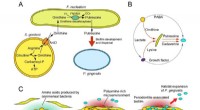
Microbial Analysis: Researchers study the microbial communities present in the environment where plastic biodegradation occurs. They identify and characterize the microorganisms, such as bacteria or fungi, responsible for the biodegradation process. Techniques like DNA sequencing, metagenomics, or enzyme assays help understand the specific microbial mechanisms involved in plastic breakdown.
Weight Loss and CO2 Evolution Measurement: Monitoring the weight loss of plastic samples over time is a simple yet effective method to track plastic biodegradation. As microorganisms degrade plastic, the material loses mass. Additionally, measuring the evolution of carbon dioxide (CO2) during the biodegradation process can provide insights into the rate at which organic carbon from plastic is converted into CO2 by microorganisms.
Visual Observation and Microscopy: Regular visual observation of plastic samples can reveal physical changes, such as surface erosion, cracking, or fragmentation, indicating biodegradation. Microscopy techniques like scanning electron microscopy (SEM) or transmission electron microscopy (TEM) offer high-resolution images that show detailed changes in the plastic's surface morphology due to biodegradation.
Radiolabeling and Isotopic Techniques: In some cases, scientists use radiolabeled plastic materials to track the movement and fate of plastic in the environment. By incorporating radioactive isotopes into the plastic's chemical structure, researchers can follow the degradation products and trace their distribution in soil, water, or organisms.
By combining these techniques, scientists gain a comprehensive understanding of plastic biodegradation processes. This knowledge helps assess the biodegradability of different plastics, predict their environmental fate, and develop effective strategies for plastic waste management and pollution reduction.