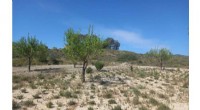
1. Habitat Loss: The fragmentation and destruction of forests, woodlands, and other natural habitats due to human activities such as urbanization, agriculture, and logging reduce suitable nesting and hunting sites for the masked owls.
2. Pest Predators: Introduced predators like cats and foxes prey upon masked owls and their eggs. Cats are highly efficient predators, and a single feral cat can kill multiple owls in a short time.
3. Rodenticide Poisoning: The use of rodenticides (chemicals used to kill rodents) affects masked owls indirectly through secondary poisoning. Masked owls hunt and consume rodents, which accumulate rat poisons in their bodies, causing health problems and death in owls.
4. Road Casualties: Traffic on roads pose a significant threat to masked owls. Collisions with vehicles while hunting or attempting to cross roads often lead to injuries and mortality in owls.
5. Disease: Fungal diseases, such as Aspergillosis, can infect and cause respiratory issues in masked owls. This disease is particularly damaging to their health and survival.
6. Climate Change: Altered weather patterns and rising temperatures due to climate change can disrupt the life cycle and habitats of masked owls, including the timing of prey availability and nesting seasons.
7. Loss of Prey Species: changes in land management and agricultural practices can affect prey abundance. Changes in prey populations can disrupt the ecosystem and food chain, limiting the prey availability for masked owls.
8. Illegal Pet Trade: Although less common, capturing masked owls for the illegal pet trade can also contribute to their decline.
The combined impact of these factors significantly endangers the survival of masked owls in Australia, leading to population declines and local extinctions in certain regions. Conservation efforts, such as habitat protection, predator control, and community education, are crucial for the recovery of the masked owls and other threatened bird species in the country.