In the realm of sustainable agriculture, a groundbreaking tomato mutation has emerged as a beacon of hope. This unique genetic anomaly has the potential to revolutionize farming practices and redefine our approach to food production. By harnessing the power of this remarkable mutation, we can cultivate resilient crops, reduce environmental impacts, and pave the way for a sustainable agricultural future.
The Ground-hugging Advantage: A Low-Profile Approach to Resilience
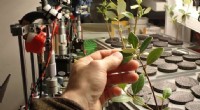
Traditionally, tomato plants have stood tall, reaching heights of several feet. However, this new mutation induces a dramatic change in plant architecture, resulting in compact, ground-hugging plants that spread horizontally rather than vertically. This ground-hugging growth habit offers a suite of advantages that contribute to sustainable agriculture:
1. Reduced Water Consumption: The compact nature of ground-hugging tomatoes significantly reduces water usage. By sprawling close to the ground, these plants require less water for transpiration, making them ideal for water-scarce regions.
2. Enhanced Disease Resistance: The lower profile of ground-hugging tomatoes reduces their exposure to airborne diseases and pests. This inherent resistance minimizes the need for chemical treatments, promoting a healthier, pesticide-free environment.
3. Improved Soil Health: As ground-hugging plants cover more ground area, they enhance soil health by providing a natural mulch. This organic layer protects the soil from erosion, retains moisture, and promotes microbial activity, contributing to a more fertile and sustainable soil ecosystem.
Beyond Resilience: Groundbreaking Implications for Sustainable Agriculture
1. Increased Yield Potential: Despite their compact size, ground-hugging tomatoes have demonstrated remarkable yield potential. By spreading horizontally, these plants produce a greater number of fruits per unit area, maximizing yields and efficient land use.
2. Simplified Harvesting and Management: The low-profile habit of ground-hugging tomatoes facilitates easier harvesting and overall management. This can lead to reduced labor costs and improved efficiency in agricultural operations.
3. Environmental Sustainability: The reduced water usage, enhanced disease resistance, and improved soil health afforded by ground-hugging tomatoes contribute to a more sustainable agricultural system. By minimizing environmental impacts, this mutation aligns with the principles of regenerative agriculture and promotes the long-term health of ecosystems.
Looking Ahead: A Future Rooted in Sustainable Innovation
The ground-hugging tomato mutation exemplifies the power of genetic innovation to drive sustainable agriculture. By harnessing the potential of such innovative plant varieties, we can transform our food systems, reduce our ecological footprint, and ensure a resilient future for generations to come. As we continue to explore the frontiers of agricultural science, we move closer to realizing a sustainable future where innovation meets nature's ingenuity, leading to a brighter and more abundant tomorrow.