Introduction:
Origami, the ancient art of paper folding, has captivated minds for centuries with its intricate and elegant patterns. Beyond its aesthetic appeal, origami principles are finding newfound applications in various scientific fields, including medicine and disease diagnoses. This article explores the emerging role of origami in disease diagnosis, highlighting how its concepts can shed light on disease-associated structural changes, identify biomarkers, and pave the way for personalized treatment strategies.
Structural Patterns and Disease:
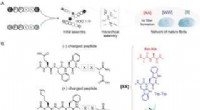
Origami revolves around transforming flat sheets of paper into complex 3D shapes through a series of folds. Similarly, proteins, the building blocks of life, undergo intricate folding processes to acquire their functional structures. Just as disruptions in origami patterns can lead to distorted shapes, abnormal protein folding is linked to various diseases, including neurodegenerative disorders, misfolding diseases, and cancer.
By analyzing the structural patterns of proteins and other biomolecules, origami principles aid in understanding the molecular basis of diseases. Researchers use computational origami models to simulate and investigate protein folding pathways, identify conformational changes associated with diseases, and predict protein interactions. This knowledge contributes to deciphering disease mechanisms and developing targeted therapies.
Biomarkers and Diagnostics:
The structural insights gained from origami-inspired analyses have significant implications for disease diagnosis. By identifying distinct folding patterns or structural alterations associated with specific diseases, researchers can develop origami-based biomarkers that distinguish healthy from diseased states. These biomarkers can be detected in various biological samples, such as blood, urine, or tissue biopsies, enabling early detection and accurate diagnoses.
For instance, studies have explored origami-based biomarkers for neurodegenerative diseases like Alzheimer's and Parkinson's. By analyzing the folding patterns of proteins involved in these diseases, researchers have identified structural deviations that serve as potential diagnostic markers. Similarly, in cancer research, origami principles contribute to the development of biomarkers for early detection and classification of different cancer types.
Personalized Treatment Strategies:
The ability of origami to model biomolecular structures extends its applications to personalized treatment strategies. By understanding the structural aspects of disease-associated proteins, researchers can design targeted therapies that specifically interact with and correct these abnormalities. This precision approach holds promise for improving treatment efficacy, reducing side effects, and tailoring therapies to individual patients.
For example, origami-inspired drug design has shown promise in targeting misfolded proteins, such as those involved in amyloidosis, a condition characterized by abnormal protein aggregation. Origami models guide the design of small molecules that selectively bind to these misfolded proteins, preventing their aggregation and potentially halting disease progression.
Conclusion:
Origami, with its rich legacy of folding patterns, is emerging as a powerful tool in the field of disease diagnoses. By providing insights into the structural alterations associated with diseases, origami principles enable the development of origami-based biomarkers and personalized treatment strategies. As research continues to unfold, the integration of origami concepts in disease diagnosis holds immense promise for improving healthcare outcomes and transforming patient care.