* Pollution: Pollution can introduce harmful substances into the water that can interfere with fish's ability to breathe.
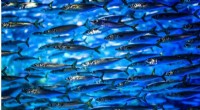
* Overcrowding: When there are too many fish in a body of water, they can compete for oxygen, leading to oxygen starvation.
* Drought: Drought can reduce the amount of water in a body of water, which can also lead to oxygen starvation.
* Climate change: Climate change can cause water temperatures to rise, which can reduce the amount of oxygen that water can hold.
Fish that are suffering from oxygen starvation may exhibit a number of symptoms, including:
* Rapid breathing: Fish may breathe more rapidly than normal in an attempt to get more oxygen.
* Gasping at the surface: Fish may come to the surface of the water and gasp for air.
* Lethargy: Fish may become lethargic and less active than normal.
* Loss of equilibrium: Fish may lose their equilibrium and swim erratically.
* Death: If oxygen starvation is severe, it can lead to death.
If you think that fish may be suffering from oxygen starvation, you should take steps to improve the oxygen levels in the water. This can be done by:
* Reducing pollution: Reduce the amount of pollution entering the water by properly disposing of waste and chemicals.
* Reducing overcrowding: Remove some of the fish from the body of water or increase the size of the body of water.
* Aerating the water: Use an aerator to add oxygen to the water.
* Cooling the water: Use a chiller to cool the water down.
By taking these steps, you can help to prevent fish from suffering from oxygen starvation.