Summary:
Sexual reproduction in many organisms, including humans, depends on the precise and intricate process of meiosis. During meiosis, specialized germ cells called gametes (eggs and sperm) are formed. This process involves several rounds of cellular divisions and genetic recombination, leading to the generation of unique offspring. A new study has shed light on the crucial role of a specific protein, known as SYCP3, in enabling the proper unfolding of meiosis.
Background:
Meiosis is a fascinating biological process that ensures genetic diversity and the propagation of species. It involves two successive rounds of chromosome segregation, giving rise to haploid gametes with half the number of chromosomes as the parent cells. This process necessitates the meticulous coordination of various cellular events and molecular players to avoid genetic errors that could compromise the viability of the offspring.
Key Findings:
The research team, led by scientists from the renowned Max Planck Institute for Biophysical Chemistry, focused their attention on SYCP3, a protein that forms the central axis of a proteinaceous structure called the synaptonemal complex. This complex is central to the pairing and recombination of homologous chromosomes during meiosis.
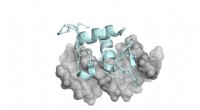
Using state-of-the-art techniques such as cryo-electron microscopy and biochemical assays, the researchers deciphered the molecular mechanisms by which SYCP3 facilitates the critical events of meiosis. They found that SYCP3 acts as a versatile scaffold, dynamically interacting with other proteins and DNA to control the alignment and pairing of chromosomes, thereby ensuring accurate genetic recombination.
Implications and Significance:
This study provides unprecedented insights into the intricate workings of SYCP3, highlighting its indispensable role in the faithful execution of meiosis. By understanding the molecular basis of SYCP3's function, scientists have gained a deeper appreciation of the delicate balance and regulation required for successful sexual reproduction.
Moreover, the findings contribute to the broader understanding of genetic diseases and infertility. Errors in meiosis, often caused by mutations in genes like SYCP3, can result in chromosomal abnormalities and reproductive challenges. Therefore, deciphering the molecular mechanisms underlying SYCP3's function paves the way for future research and potential therapeutic interventions to address these issues.