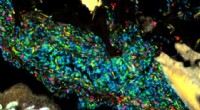
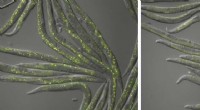
Railroad worms are bioluminescent annelids that live in the intertidal zone of the Pacific Ocean. They are named for their distinctive light-producing organs, which run along their bodies like railroad tracks. These organs produce a bright red light that can be seen from a distance.
The light is produced by a chemical reaction that takes place in the worm's body. When the worm is disturbed, it releases a luciferin molecule, which reacts with oxygen to produce light. The reaction is catalyzed by an enzyme called luciferase.
The light produced by railroad worms is thought to serve several purposes. It may help the worms to attract mates, deter predators, or communicate with each other. Railroad worms are also known to use their light to lure prey. When a small fish or other animal is attracted to the light, the worm will quickly wrap its body around the prey and capture it.
The bioluminescent organs of railroad worms are a fascinating example of nature's ingenuity. These tiny worms have evolved a unique way to produce light, which they use to their advantage in a variety of ways.
Here is a more detailed explanation of the chemical reaction that produces light in railroad worms:
1. Luciferin is released from the worm's body.
2. Luciferin reacts with oxygen to form luciferin peroxide.
3. Luciferin peroxide is oxidized by luciferase, an enzyme produced by the worm, to form light and carbon dioxide.
The light produced by this reaction is red because the luciferin molecule absorbs blue and green light and emits red light.
Railroad worms are not the only animals that use bioluminescence. Other bioluminescent animals include fireflies, deep-sea fish, and jellyfish. Bioluminescence is a fascinating and important adaptation that allows animals to communicate, attract mates, and deter predators in a variety of environments.