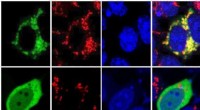
In the world of genetics, X-chromosome inactivation is a fascinating phenomenon that ensures gene dosage balance between males and females. At the heart of this process lies X-inactive specific transcript, also known as Xist. This remarkable RNA molecule plays a pivotal role in silencing one X chromosome in female mammals, thereby orchestrating the intricate balance of gene expression in the presence of two X chromosomes.
X-Chromosome Inactivation: A Tale of Two X's
In female mammals, the presence of two copies of the X chromosome creates a gene dosage dilemma, as males only possess one. To maintain a harmonious balance, one of the X chromosomes is elegantly inactivated, preventing the cells from being flooded with an excess of X-linked gene products. This process of X-inactivation ensures that both sexes experience similar genetic outcomes.
Xist Takes the Stage: A Master Conductor of Silencing
Enter Xist, the key player in orchestrating X-chromosome silencing. Emerging as an RNA molecule with remarkable regulatory capabilities, Xist emanates from the X-inactivation center on the X chromosome, acting as a powerful signal that initiates a cascade of events leading to gene silencing.
A Cascade of Silencing: How Xist Works its Magic
Once transcribed, the Xist RNA molecule embarks on a remarkable journey, embarking on an extraordinary journey into the nucleus. Here, it paints the landscape with its presence, establishing a territorial domain that will encompass the entire inactive X chromosome. This territorial marking effectively recruits various proteins and complexes, leading to the transcriptional shutdown of genes residing in the silenced X chromosomal region.
A Dance of Regulation: Epigenetic Modifications Join the Fray
Xist's silencing strategy involves more than just physical demarcation. It also orchestrates a symphony of epigenetic modifications, which are chemical alterations to DNA that can influence gene expression. Xist recruits an ensemble of proteins that add methyl groups and other chemical tags, further solidifying the silencing state. These modifications leave a lasting mark on the X chromosome, preventing its genes from being expressed.
Xist: A Balancing Act in Health and Disease
The delicate dance of X-chromosome inactivation is crucial for maintaining cellular harmony. Disruptions in this process can have profound consequences, leading to developmental disorders and even diseases such as Turner syndrome, where only one X chromosome is present. Understanding the intricate mechanisms underlying Xist's silencing prowess provides valuable insights into these genetic disorders, potentially paving the way for future therapeutic interventions.
Xist, with its RNA superpowers, embodies a remarkable example of the sophisticated regulatory mechanisms at play within our cells. This non-coding RNA molecule emerges as a maestro of gene silencing, ensuring that the genomic balance is maintained, allowing us to function as healthy individuals.