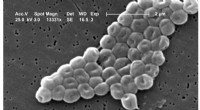
1. Biofilm Formation: Many foodborne bacteria, such as _Listeria monocytogenes_ and _Salmonella_, can form biofilms on surfaces in food preparation environments. Biofilms are complex communities of bacteria enclosed in a protective matrix of extracellular material. They are highly resistant to sanitizers and disinfectants, making them challenging to remove and control.
2. Environmental Adaptation: Foodborne bacteria have evolved mechanisms to adapt to and survive in the stressful conditions often encountered in food preparation environments. These conditions may include temperature fluctuations, low nutrient availability, desiccation, and exposure to chemicals and sanitizers. Bacteria can develop stress responses, such as the production of heat shock proteins and efflux pumps, to withstand these challenges.
3. Cross-contamination: Foodborne bacteria can easily spread from one surface to another through cross-contamination, often via hands, utensils, and equipment. Inadequate cleaning and sanitizing practices, improper food handling, and poor personal hygiene contribute to cross-contamination, allowing bacteria to persist in food preparation environments.
4. Persistence in Food Residues: Food residues, such as crumbs, grease, and moisture, can act as reservoirs for foodborne bacteria. These residues can provide nutrients and protect bacteria from harsh environmental conditions, enabling them to survive for extended periods. Regular and thorough cleaning and sanitation are essential to eliminate food residues and prevent bacterial growth.
5. Influence of Temperature and pH: Foodborne bacteria have specific temperature and pH ranges for growth and survival. Keeping food at proper temperatures (below 40°F or above 140°F) and maintaining appropriate pH levels can inhibit the growth of most pathogenic bacteria.
6. Interactions with Other Microorganisms: Food preparation environments host a diverse microbial community, including both beneficial and harmful microorganisms. Interactions between different microbial species can influence the survival and behavior of foodborne bacteria. Some bacteria may produce antimicrobial substances or compete for resources, while others may form symbiotic relationships, affecting the overall microbial ecosystem and food safety.
7. Importance of Good Hygienic Practices: Good hygienic practices, such as proper handwashing, sanitizing surfaces, and following food safety guidelines, are critical to minimizing the risk of foodborne illness. Education and training of food handlers and consumers about these practices are essential for effective food safety management.
Overall, these research findings underscore the complexity and resilience of foodborne bacteria in food preparation environments. Understanding their survival mechanisms and behavior is crucial for designing targeted interventions, such as improved cleaning and sanitation protocols, proper temperature control, and effective food handling practices, to prevent food contamination and protect public health.