Introduction:
Plants have evolved intricate mechanisms to sense and respond to their environment. One crucial factor that influences plant growth and development is the availability of sugars. Sugars act as energy sources and signaling molecules, regulating various physiological processes. Recent research has shed light on the role of a specific sugar-sensing protein in controlling plant growth and oil production. This article delves into the study that reveals how this protein functions as a molecular machine to switch these processes on and off.
The Sugar-Sensing Protein:
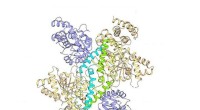
The study focuses on a sugar-sensing protein known as the trehalose-6-phosphate (T6P) synthase 1 (TPS1). TPS1 is involved in the synthesis of trehalose-6-phosphate (T6P), a sugar metabolite that acts as a signaling molecule in plants. The research team aimed to understand how TPS1 regulates plant growth and oil production.
Molecular Mechanism:
The study employed various biochemical, genetic, and imaging techniques to unravel the molecular mechanism of TPS1. The findings revealed that TPS1 functions as a molecular switch that controls the production of T6P. When sugar levels are low, TPS1 activity is high, leading to increased T6P production. Conversely, when sugar levels are abundant, TPS1 activity is inhibited, resulting in decreased T6P levels.
Switching Plant Growth and Oil Production:
The study demonstrated that T6P acts as a key regulator of plant growth and oil production. High T6P levels, indicative of low sugar conditions, promote plant growth by stimulating cell division and expansion. On the other hand, low T6P levels, associated with high sugar conditions, trigger the accumulation of oil in plant tissues. This switch-like mechanism allows plants to adapt their growth and energy storage strategies based on sugar availability.
Physiological Significance:
The sugar-sensing mechanism mediated by TPS1 and T6P has profound physiological implications for plants. By integrating sugar signals with growth and oil production, plants can optimize their resource allocation strategies. During periods of low sugar availability, plants prioritize growth to capture more sunlight and nutrients. However, when sugar levels are high, plants shift their focus toward energy storage in the form of oil, preparing for future periods of scarcity.
Conclusion:
The study provides detailed insights into the molecular mechanisms by which a sugar-sensing protein, TPS1, acts as a molecular machine to switch plant growth and oil production on and off. This research enhances our understanding of plant physiology and metabolism and could have potential implications for crop improvement strategies aimed at optimizing plant growth and oil yield in response to fluctuating environmental conditions.