Cells are the basic unit of life, and understanding how they function is essential to understanding human health and disease. Researchers at the University of California, Berkeley, are using a variety of techniques to gain a deeper understanding of how cells operate.
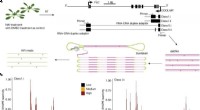
One technique that researchers are using is called single-cell RNA sequencing. This technique allows researchers to isolate a single cell and then sequence its RNA. This information can be used to identify the genes that are expressed in the cell, which can provide insights into its function.
Another technique that researchers are using is called cryo-electron microscopy. This technique allows researchers to obtain high-resolution images of cells and their components. This information can be used to understand the structure of cells and how they interact with each other.
In addition to these techniques, researchers are also using computational methods to analyze large datasets of cellular information. This information can be used to identify patterns and relationships that would not be possible to detect otherwise.
The research that is being conducted at UC Berkeley is providing a deeper understanding of how cells operate. This information is essential to developing new treatments for diseases and improving human health.
Here are some specific examples of how researchers at UC Berkeley are using single-cell RNA sequencing and cryo-electron microscopy to gain a deeper understanding of how cells operate:
* Researchers have used single-cell RNA sequencing to identify new types of cells in the brain. These cells may play a role in neurodegenerative diseases, such as Alzheimer's disease.
* Researchers have used cryo-electron microscopy to obtain high-resolution images of the ribosome. The ribosome is a complex structure that is responsible for protein synthesis. This information is essential to understanding how proteins are made.
* Researchers are using computational methods to analyze large datasets of cellular information. This information is being used to identify patterns and relationships that would not be possible to detect otherwise. This information is helping researchers to understand how cells communicate with each other and how they respond to their environment.
The research that is being conducted at UC Berkeley is providing a deeper understanding of how cells operate. This information is essential to developing new treatments for diseases and improving human health.