Studying ancient microbes offers several key advantages:
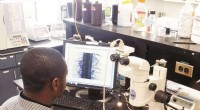
Access to Earth's Early History: These ancient microorganisms represent a window into Earth's distant past when life was in its nascent stages. By analyzing the genetic material, metabolic pathways, and ecological roles of these microbes, scientists can gain a deeper understanding of the early environment, the origins of life, and the conditions that supported early microbial communities.
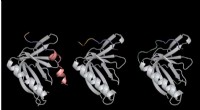
Tracing Evolutionary Pathways: Ancient microbes serve as stepping stones in the evolutionary timeline. Their genetic sequences, preserved over billions of years, provide valuable information about the evolutionary relationships between different organisms. By comparing the genetic makeup of ancient and modern microbes, scientists can trace the lineage of complex life forms and identify key evolutionary transitions.
Understanding Adaptation Mechanisms: Ancient microbes often inhabited extreme environments, facing conditions such as high temperatures, acidic pH levels, or limited nutrient availability. Studying the adaptation strategies and survival mechanisms of these microbes can shed light on the resilience of life and provide valuable insights into how organisms adapt to changing environmental conditions.
Extremophile Models: Extremophile microorganisms, which inhabit extreme environments, can serve as models for understanding the potential limits of life on Earth and beyond. Their unique biological features and metabolic pathways offer insights into the potential for life to exist in extreme environments on other celestial bodies, contributing to astrobiology research.
Unraveling Symbiotic Relationships: Some ancient microbes engaged in symbiotic relationships with other organisms, paving the way for the development of more complex multicellular organisms. Exploring these early symbiotic interactions can help scientists understand the intricate relationships that underpin many ecosystems and the evolution of cooperative behaviors.
By studying ancient microbes, scientists unlock critical pieces of the puzzle of life's origins and evolution. These investigations contribute to our understanding of the fundamental principles that govern the diversity of life on Earth and potentially in other regions of the universe.