Ethylene is a gaseous plant hormone that plays a crucial role in various aspects of plant development and responses to the environment. Understanding the regulation of ethylene production is important for managing these processes in agriculture, horticulture and plant biotechnology.
The research, led by scientists from the John Innes Centre in the United Kingdom, focused on the enzyme 1-aminocyclopropane-1-carboxylic acid (ACC) synthase, which is responsible for the production of ACC, the immediate precursor of ethylene.
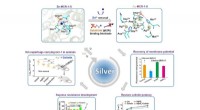
Scientists identified a specific region within the ACC synthase protein that acts as a sensor for a chemical signal called methylglyoxal (MG), which is produced as a byproduct of metabolism under certain conditions, such as stress or tissue damage.
When MG accumulates, it binds to the sensor region in ACC synthase, leading to a conformational change in the protein and increased ACC synthase activity, resulting in higher ethylene production.
The study revealed how MG acts as a signal to trigger the production of ACC and subsequently ethylene, providing a direct link between metabolic processes, stress conditions, and the regulation of plant growth and development.
These findings have implications for improving crop production and postharvest management of fruits and vegetables by manipulating ethylene levels to control ripening, senescence, and responses to environmental stresses.