Bee-Fly Mimicry: An Artful Survival Technique
Bee-flies have mastered the art of mimicry, adopting the visual appearance and behaviors of bees to their advantage. Their bodies often display vibrant yellow and black stripes, creating a near-perfect illusion of true bees. This visual mimicry helps bee-flies deter potential predators, who mistake them for the more aggressive and venomous sting of bees.
Pollination by Deceit: Unveiling Unexpected Benefits
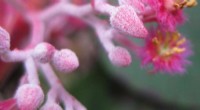
While bees are renowned for their essential role as pollinators, scientists have discovered that bee-flies may inadvertently contribute to the process. Bee-flies frequently visit flowers in search of nectar, and as they do, their hairy bodies inadvertently collect and disperse pollen grains. This hidden ecological service suggests that bee-flies, despite their initial deception, contribute positively to pollination processes in certain ecosystems.
Mimicry and Conservation: Insights into Biodiversity Conservation
The bee-fly's ability to impersonate bees offers insights into the complex dynamics of biodiversity conservation. Their success in thriving alongside bees highlights the vital role of mimicking insects in maintaining delicate ecological balance. Protecting habitats that support these mimic species can have far-reaching implications for ecosystem stability and the preservation of pollination processes.
Conclusion: Nature's Intricate Adaptations
Bee-flies serve as a testament to the intricate adaptations and co-evolutionary relationships that have shaped the natural world. Their ability to mimic bees demonstrates the remarkable diversity of survival strategies employed by insects. Recognizing the ecological contributions of bee-flies and other mimicking insects broadens our understanding of biodiversity and emphasizes the importance of protecting their habitats for a thriving and sustainable future.