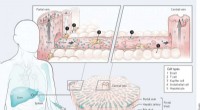
Microbots are small, autonomous machines that can move and perform tasks on their own. They are often inspired by biological machines, such as bacteria and cells, and can be used for a variety of applications, including medical diagnosis and treatment, environmental monitoring, and military operations.
How Microbots Move
Microbots can move in a variety of ways, depending on their design and the environment in which they are operating. Some microbots use wheels or treads to move, while others use flapping wings or cilia. Some microbots can even swim or climb.
Biological Inspiration
Many microbots are inspired by biological machines. For example, some microbots use flagella, which are long, whip-like structures that bacteria use to move. Other microbots use cilia, which are short, hair-like structures that line the surfaces of many cells.
Applications of Microbots
Microbots have a wide range of potential applications. They can be used for medical diagnosis and treatment, environmental monitoring, and military operations. For example, microbots could be used to deliver drugs directly to tumors, monitor pollution levels in the environment, or detect enemy targets on the battlefield.
Challenges
Microbots face a number of challenges, including their small size, limited power supply, and the need to operate in harsh environments. However, as technology advances, these challenges are being overcome.
The Future of Microbots
The future of microbots is bright. As technology continues to advance, microbots will become smaller, more powerful, and more versatile. They will find new applications in medicine, environmental monitoring, and military operations. Microbots could even one day be used to explore other planets.