Key Findings:
1. RNA-Dependent DNA Methylation: It was found that certain RNA molecules can guide the addition of methyl groups to DNA, influencing gene expression patterns. This RNA-dependent DNA methylation process adds a new layer of complexity to epigenetic regulation, which controls gene activity without altering the underlying DNA sequence.
2. Circular RNAs: Circular RNAs (circRNAs), once thought to be cellular waste products, play an active role in regulating gene expression. circRNAs can bind to proteins and microRNAs, thereby modulating their function and affecting the expression of nearby genes.
3. Enhancers and Super-Enhancers: Enhancers are DNA regions that control gene expression from a distance. The researchers discovered that some enhancers can cluster together to form super-enhancers, which exhibit exceptionally high levels of activity and are associated with key regulatory genes. Disruption of super-enhancers can lead to developmental disorders and diseases.
4. Phase Separation: Liquid-liquid phase separation, a process where molecules form distinct compartments within the cell, was found to play a crucial role in organizing the genome. These membrane-less compartments serve as hubs for gene regulation, bringing together necessary molecules and facilitating efficient cellular processes.
5. Long Non-Coding RNAs (lncRNAs): lncRNAs are RNA molecules that do not encode proteins but have regulatory functions. Researchers identified new mechanisms by which lncRNAs interact with proteins and DNA, influencing gene expression patterns and cellular processes.
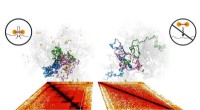
6. Chromatin Architecture: The 3D organization of the genome within the cell's nucleus, known as chromatin architecture, was found to be essential for gene regulation. Alterations in chromatin architecture, such as changes in DNA looping and interactions, can have profound effects on cellular function and contribute to disease development.
Significance:
These novel mechanisms provide a deeper understanding of how the genome regulates the complex processes within cells. They offer insights into the intricate interplay between DNA, RNA, proteins, and the nuclear environment in shaping gene expression patterns.
Implications for Disease and Therapeutics:
Understanding these regulatory mechanisms holds promise for developing new therapeutic strategies. By manipulating RNA molecules, enhancers, or chromatin architecture, it may be possible to correct gene expression abnormalities associated with various diseases, including cancer, neurological disorders, and developmental disorders.
Future Directions:
The researchers emphasize the need for continued investigation to further unravel the complexities of genome regulation. By expanding our knowledge in this area, we can gain a deeper appreciation of cellular processes and identify new avenues for therapeutic interventions to improve human health.