Nucleosomes, the fundamental units of chromatin, play a crucial role in regulating gene expression, DNA replication, and DNA repair. Nucleosome repositioning, the movement of nucleosomes along the DNA without breaking the histone-DNA contacts, is vital for these cellular processes. Disruptions in nucleosome repositioning can lead to various genetic diseases, including cancer, neurological disorders, and developmental syndromes.
1. Chromatin Structure and Nucleosome Repositioning:
Nucleosomes are composed of eight histone proteins (two copies each of H2A, H2B, H3, and H4) wrapped around a 147 base pair DNA segment. Nucleosome repositioning occurs when the nucleosome slides along the DNA to a new position. This movement is essential for DNA accessibility and the recruitment of transcription factors, regulatory proteins, and other molecular machinery to specific genomic loci.
2. ATP-Dependent Remodeling Complexes:
The primary driving force behind nucleosome repositioning is the action of ATP-dependent chromatin remodeling complexes. These complexes utilize the energy from ATP hydrolysis to move nucleosomes along the DNA. The switch/sucrose non-fermentable (SWI/SNF) and ISWI families of chromatin remodelers are well-known examples. They employ different mechanisms to slide nucleosomes, either by directly translocating the nucleosome or by destabilizing the histone-DNA contacts.
3. Histone Modifications and Nucleosome Dynamics:
Post-translational modifications of histone tails, such as methylation, acetylation, phosphorylation, and ubiquitination, can influence nucleosome repositioning. These modifications alter the charge and structure of histones, affecting their interactions with DNA and remodeling complexes. For instance, acetylation often loosens the histone-DNA binding, promoting nucleosome repositioning and facilitating gene activation.
4. Nucleosome Repositioning and Transcription:
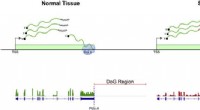
Precise nucleosome positioning is crucial for regulating transcription. Nucleosome-depleted regions, also known as nucleosome-free regions, are often found at gene promoters and are essential for transcription factor binding and the assembly of pre-initiation complexes. Dysregulated nucleosome repositioning can lead to the improper positioning of these nucleosome-free regions, disrupting transcription initiation and gene expression.
5. Nucleosome Repositioning in DNA Replication and Repair:
Nucleosome repositioning is also critical for DNA replication and repair processes. During DNA replication, nucleosomes must be transiently removed or repositioned to allow DNA polymerases to access the DNA template. Defects in nucleosome repositioning can cause replication stress and genomic instability, both of which are associated with cancer development. In DNA repair, nucleosome repositioning facilitates access to damaged DNA sites, enabling repair proteins to carry out their functions efficiently.
6. Nucleosome Repositioning in Genetic Diseases:
Mutations that affect chromatin remodelers or histone modifying enzymes can disrupt nucleosome repositioning, leading to various genetic diseases. For example, mutations in the SWI/SNF chromatin remodeling complex have been linked to several cancer types, including breast, ovarian, and lung cancer. Additionally, mutations in histone modifying enzymes, such as histone deacetylases, are associated with neurological disorders like Rett syndrome and Angelman syndrome.
7. Therapeutic Implications:
Understanding the molecular mechanisms of nucleosome repositioning holds therapeutic potential. By targeting chromatin remodelers or histone modifying enzymes, it may be possible to correct nucleosome mispositioning and restore normal gene expression patterns. This could lead to novel treatment strategies for genetic diseases caused by dysregulated nucleosome repositioning.
Conclusion:
Nucleosome repositioning is a fundamental process in chromatin dynamics, essential for gene expression, DNA replication, and DNA repair. Disruptions in nucleosome repositioning can have profound consequences, contributing to various genetic diseases. Further research aimed at unraveling the mechanisms of nucleosome repositioning and its regulation will pave the way for therapeutic interventions to combat these diseases and restore cellular function.