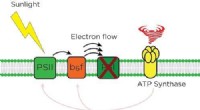
ATP, composed of adenine, ribose, and three phosphate groups, plays a pivotal role in various cellular activities. It serves as the primary energy source for cells, driving processes such as muscle contraction, nerve impulse transmission, and chemical synthesis. However, despite its fundamental importance, the mechanisms underlying ATP production and utilization within cells remained incompletely understood.
The research team, led by Professor Michael Rape, employed advanced imaging techniques and computational modeling to investigate the intricate workings of ATP within living cells. They discovered that ATP is not uniformly distributed throughout the cell but rather concentrated in specific subcellular compartments, including the nucleus and mitochondria.
This compartmentalization of ATP suggests that cells meticulously regulate ATP distribution to meet the energy demands of different cellular processes. By controlling the availability of ATP in specific locations, cells can ensure efficient energy utilization and prevent energy wastage.
The researchers also identified a family of proteins responsible for transporting ATP across the cell membrane, further elucidating the mechanisms of ATP movement within the cell. These proteins, known as ABC transporters, play a critical role in maintaining ATP homeostasis, ensuring that ATP is available where and when it is needed.
Professor Rape highlighted the significance of these findings, stating, "By unraveling the mysteries surrounding ATP distribution and transport, we gain a deeper understanding of how cells function and maintain energy balance. Our research opens up new avenues for exploring the fundamental principles of cellular energy metabolism and its implications in human health and disease."
The study contributes to the broader field of cell biology and has potential implications for understanding various diseases associated with energy metabolism dysregulation, such as diabetes, neurodegenerative disorders, and cancer. By deciphering the intricacies of ATP dynamics within cells, scientists can gain valuable insights into the development of therapeutic interventions for these diseases.