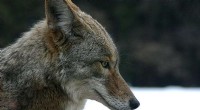
Early Detection: Dogs have an extraordinary sense of smell, allowing them to detect subtle changes in odor associated with diseases even before clinical symptoms appear. By introducing trained disease-detecting dogs into bighorn sheep habitats, early detection of respiratory illnesses becomes possible. Infected individuals can be promptly identified and isolated, preventing further transmission and potentially saving the lives of numerous bighorn sheep.
Specificity and Accuracy: Disease-detecting dogs can be trained to identify specific diseases, including pneumonia caused by bacteria like Mycoplasma ovipneumoniae, a significant threat to bighorn sheep. Their keen sense of smell enables them to differentiate infected animals from healthy ones with high accuracy. This specificity helps in targeted management and reduces the chances of misdiagnosis, ensuring effective conservation strategies.
Non-Invasive Sampling: Disease-detecting dogs can gather samples for testing without causing undue stress or harm to bighorn sheep. This is particularly valuable in remote and challenging terrains where capturing and handling bighorn sheep for traditional diagnostic procedures may be difficult. The non-invasive nature of canine detection methods allows for frequent sampling, enhancing disease monitoring and surveillance efforts.
Complementing Traditional Monitoring: Disease-detecting dogs serve as a complementary tool to traditional monitoring methods. Their unique abilities can supplement existing surveillance programs by providing additional data and insights. By combining the strengths of canine detection with other monitoring techniques, conservationists gain a more comprehensive understanding of disease prevalence, transmission dynamics, and population health.
Educational Outreach: Involving disease-detecting dogs in conservation efforts also presents opportunities for public engagement and education. Demonstrations and presentations can raise awareness about bighorn sheep conservation and the importance of disease prevention and management. This can foster a sense of stewardship among local communities and stakeholders, encouraging greater participation in conservation initiatives.
Case Study: Using Dogs to Detect Disease in Bighorn Sheep:
A successful case study involving disease-detecting dogs in bighorn sheep conservation is the Desert Bighorn Council's (DBHC) Canine Respiratory Disease Detection (CRD) Program in the United States. The program employs dogs trained to detect Mycoplasma ovipneumoniae in bighorn sheep herds. The dogs have proven highly effective in early disease detection, allowing for timely management interventions and saving the lives of numerous bighorn sheep.
In conclusion, disease-detecting dogs offer a valuable tool for conserving South Dakota's bighorn sheep populations. Their exceptional olfactory capabilities enable early detection of respiratory diseases, facilitate non-invasive sampling, and complement traditional monitoring methods. By integrating canine disease detection into conservation strategies, South Dakota can enhance its efforts to protect these majestic animals and preserve the ecological balance of their habitats.