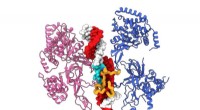
One way that fungi taste wheat is through the use of enzymes. Enzymes are proteins that catalyze specific chemical reactions, and they play a crucial role in the digestion and absorption of nutrients by fungi. Fungi produce a variety of enzymes, including cellulases, hemicellulases, and pectinases, which break down the complex carbohydrates present in wheat cell walls. By breaking down the cell walls, fungi can access the nutrients they need to grow and reproduce.
Another way that fungi taste wheat is through the use of secondary metabolites. Secondary metabolites are compounds that are not directly involved in the growth or reproduction of fungi, but they can have important ecological functions. Some secondary metabolites produced by fungi can be toxic to wheat plants, causing damage to tissues and leading to disease symptoms. For example, the fungus Fusarium graminearum produces a secondary metabolite called deoxynivalenol (DON), which can cause head blight in wheat, leading to reduced yields and poor grain quality.
By understanding how fungi taste wheat, scientists can develop new strategies for controlling fungal diseases and protecting wheat crops. This could involve the use of enzymes or secondary metabolites that target specific fungal species, or the development of wheat varieties that are resistant to fungal diseases. Further research is needed to explore these possibilities and develop effective strategies for managing fungal diseases in wheat.