The process of making plastic from algae involves several steps:
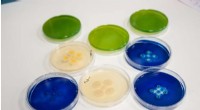
1. Cultivating algae: Algae are grown in large ponds or tanks, where they are exposed to sunlight and water. They can also be grown in wastewater treatment plants, where they help to remove pollutants.
2. Harvesting algae: Once the algae have grown, they are harvested by filtration or centrifugation.
3. Extracting lipids: The lipids are extracted from the algae cells using a solvent such as hexane or chloroform.
4. Converting lipids to plastic: The lipids are then converted into plastic through a process called polymerization. This process involves linking together the molecules of the lipids to form a polymer.
5. Molding plastic: The plastic is then molded into the desired shape.
Algae-based plastics have a number of advantages over traditional plastics. They are biodegradable, so they do not contribute to plastic pollution. They are also renewable, so they do not rely on finite resources such as petroleum. Additionally, algae-based plastics can be produced in a variety of colors and textures, making them a versatile material for a wide range of applications.
Here are some specific examples of how plastic can be made from algae:
* Polyhydroxyalkanoates (PHAs): PHAs are a type of bioplastic that is produced by some species of algae. They are made from carbon dioxide and water, and they are biodegradable and compostable. PHAs can be used to make a variety of products, including bottles, cups, and straws.
* Alginate: Alginate is a type of polysaccharide that is produced by brown algae. It is a gelling agent and can be used to make a variety of products, including food thickeners, wound dressings, and biodegradable packaging.
* Agar: Agar is a type of polysaccharide that is produced by red algae. It is a gelling agent and can be used to make a variety of products, including food thickeners, culture media, and biodegradable packaging.