Toxoplasmosis and the "Cat Effect":
Toxoplasma gondii, a protozoan parasite that primarily infects cats but can also infect humans, has been extensively studied for its potential effects on human behavior and cognition. Some studies have suggested that T. gondii infection is associated with increased risk-taking behavior, reduced conscientiousness, and enhanced suggestibility. These changes in personality traits and behaviors could potentially influence human neurological evolution by altering the prevalence of certain personality types or promoting specific cognitive adaptations.
Malaria and Sickle Cell Anemia:
Malaria, caused by Plasmodium parasites transmitted through mosquito bites, has been a significant selective pressure throughout human history. Sickle cell anemia, a genetic condition that results in abnormally shaped red blood cells, provides a genetic defense against malaria. The higher prevalence of sickle cell anemia in regions with high malaria transmission suggests a co-evolutionary relationship. This selective pressure could have influenced the frequency of specific genetic variants associated with neural development and function.
Helminth Infections and Immune Modulation:
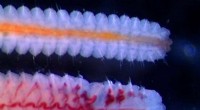
Helminth infections, caused by parasitic worms such as hookworms and roundworms, are common in many regions of the world. Interestingly, some studies have found that helminth infections may modulate the immune system and potentially affect cognitive development. By influencing the immune response and reducing inflammation, helminths could have indirect effects on neurological processes and brain development.
Immune-Mediated Brain Development:
Parasite-induced immune responses can have complex effects on brain development. Some parasites may disrupt normal immune function and affect neurogenesis, neural connectivity, or synaptic plasticity. By altering immune-related signaling pathways, parasite manipulation could influence the trajectory of brain development and shape neural circuits.
Emerging Research and Future Directions:
While the hypotheses outlined above provide intriguing possibilities, it's important to note that most of the evidence to date is correlative and further research is needed to establish causal relationships between parasite manipulation and human neurological evolution. Longitudinal studies, experimental approaches, and careful consideration of genetic, environmental, and cultural factors are crucial for gaining a deeper understanding of this complex interplay.
Conclusion:
The hypothesis that parasite manipulation could have influenced human neurological evolution opens up new avenues for research. By exploring the potential links between parasites, behavior, and cognition, scientists can gain insights into the intricate relationship between humans and the microbial world that has shaped our species over time. Understanding the long-term effects of parasite manipulation on human neurological evolution can contribute to a comprehensive understanding of human biology and adaptation.