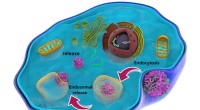
Bacteria use a variety of mechanisms to transport cellular cargo. One of these mechanisms is known as "surfing" along proteins. This process involves proteins that are able to move along the surface of the cell membrane, carrying cargo with them.
The role of surf proteins
Surf proteins are responsible for transporting various types of cellular cargo, including proteins, lipids, and DNA. These proteins are typically highly conserved across different bacterial species, suggesting that the ability to surf along proteins is a fundamental mechanism for cellular cargo transport.
The mechanism of surfing
Surf proteins move along the cell membrane by interacting with the hydrophobic tails of membrane lipids. These interactions allow the surf proteins to "slide" along the membrane surface, carrying their cargo with them.
The speed of surfing
The speed of surfing varies depending on the type of surf protein and the cargo that it is carrying. Some surf proteins can move at speeds of up to several microns per second.
The direction of surfing
The direction of surfing is also determined by the type of surf protein and the cargo that it is carrying. Some surf proteins can move in a specific direction, while others can move in a random direction.
The regulation of surfing
The regulation of surfing is complex and involves a variety of factors, including the availability of cargo, the concentration of surf proteins, and the energy supply of the cell.
The importance of surfing
The ability to surf along proteins is essential for a variety of cellular processes, including the transport of nutrients, the secretion of proteins, and the assembly of the cell membrane.
Conclusion
Surf proteins are a fascinating example of how bacteria have evolved to efficiently transport cellular cargo. These proteins are essential for a variety of cellular processes and play a critical role in the overall functioning of bacterial cells.