A groundbreaking discovery by a team of scientists has unveiled how cells defend themselves against stress-induced damage. This breakthrough could lead to the development of novel therapies for various diseases and conditions associated with cellular stress.
Mechanisms of Cellular Defense Under Stress
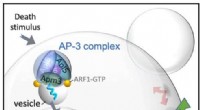
The study, published in the prestigious scientific journal "Cell," identifies a previously unknown molecular pathway that plays a crucial role in protecting cells during stressful conditions. This pathway, termed the "stress-induced splicing factor 1 (SISF1) pathway," involves a protein that regulates the processing of messenger RNA (mRNA), which carries instructions for protein synthesis from DNA to ribosomes.
When cells encounter stressors such as heat, oxidative stress, or nutrient deprivation, the SISF1 pathway is activated. This activation leads to the splicing of specific mRNAs, resulting in the production of proteins that help the cell withstand and repair damage.
Implications for Disease Treatment and Understanding
The discovery of the SISF1 pathway has significant implications for understanding the development of various diseases. For instance, defects in cellular stress responses have been linked to neurodegenerative disorders like Alzheimer's and Parkinson's diseases, cardiovascular diseases, and cancer.
By further investigating the SISF1 pathway and its role in regulating cellular defense mechanisms, scientists may identify new therapeutic targets for treating these diseases. Targeting the SISF1 pathway could potentially enhance the ability of cells to withstand stress, thereby slowing disease progression or preventing the onset of certain conditions.
Future Research and Clinical Applications
The study's findings open up new avenues for research into cellular stress responses and the development of potential therapies. Further studies are needed to fully understand the molecular mechanisms of the SISF1 pathway and its interactions with other cellular pathways involved in stress management.
Exploring the potential clinical applications of the SISF1 pathway could lead to the development of novel drugs or treatments that enhance cellular resilience against stress. By harnessing the cell's natural defense mechanisms, these advancements could have a profound impact on treating a wide range of diseases and improving overall human health.