The study, conducted by a team of scientists at the University of Cambridge, focused on a type of parasite known as Toxoplasma gondii, a single-celled organism that infects a wide range of hosts, including humans. T. gondii causes the disease toxoplasmosis, which can have severe consequences, particularly in individuals with compromised immune systems.
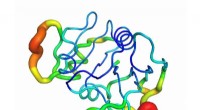
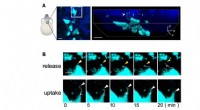
The researchers discovered that T. gondii secretes a protein called TGGT1 that specifically targets a host protein called flotillin-1, which is crucial for maintaining the integrity of cell membranes. By interfering with flotillin-1, TGGT1 causes the formation of membrane protrusions, which the parasite then exploits to invade the host cell.
This invasion mechanism is unique because it involves a direct manipulation of host cell membrane dynamics. Previous research had mainly focused on the parasite's ability to manipulate host cell signaling pathways or immune responses. The discovery of TGGT1's role in altering membrane structure opens new avenues for understanding how parasites breach host defenses.
The study also highlights the potential for developing novel therapeutic strategies against parasitic infections. By targeting the TGGT1-flotillin-1 interaction, researchers may be able to disrupt the parasite's invasion process and prevent infection. This approach could lead to more effective treatments for toxoplasmosis and other parasitic diseases.
Overall, the research team's findings shed light on the intricate mechanisms parasites employ to invade host cells and provide a new perspective on host-parasite interactions. Further investigation into this invasion pathway and the implications for other parasites could contribute significantly to the development of innovative therapeutic interventions for parasitic diseases that affect millions worldwide.