One type of sugar receptor is the gustatory receptor (GR). GRs are located on the antennae and are responsible for detecting sweet, sour, bitter, and salty tastes. Different GRs are tuned to different sugars, so insects can tell the difference between different sugars by binding to different GRs.
Another type of sugar receptor is the sugar transporter. Sugar transporters are located on the mouthparts and are responsible for transporting sugars into the insect's body. Different sugar transporters are tuned to different sugars, so insects can tell the difference between different sugars by binding to different sugar transporters.
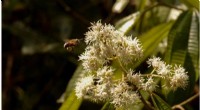
Insects use their ability to taste different sugars to find food and avoid harmful substances. For example, bees use their GRs to find nectar, which is a sugary liquid produced by flowers. Ants use their sugar transporters to find honeydew, which is a sugary liquid produced by aphids. Insects also use their ability to taste different sugars to avoid poisonous plants. For example, monarch butterflies avoid laying their eggs on milkweed plants, which are poisonous to monarch caterpillars.
The ability of insects to taste different sugars is an important adaptation that helps them to survive in their environment. By being able to distinguish between different sugars, insects can find food and avoid harmful substances.