Sample Collection:
- Researchers obtain bone samples from well-preserved fossil remains of thunderbirds. These samples may come from various parts of the skeleton, such as long bones (e.g., leg bones) or vertebrae.
Sample preparation:
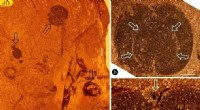
- The bone samples are carefully prepared for microscopic analysis. This involves removing any surrounding sediments or impurities and cutting the bone into thin sections. These sections are typically a few micrometers thick, allowing light to pass through them for microscopic observation.
Microscope Observation:
- The prepared bone sections are placed under a microscope equipped with specialized lenses that provide high magnification. Researchers use different microscopy techniques, such as bright-field microscopy or polarized light microscopy, to study the bone's internal structure.
Bone Histology:
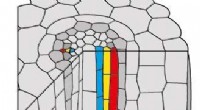
- Microscopic analysis of bone sections reveals the histological features of the bone. Histology is the study of the microscopic structure of tissues. In the case of thunderbird bones, researchers examine features like the arrangement of bone cells (osteocytes), the organization of collagen fibers, and the presence of growth lines.
Growth Lines and Growth Rates:
- One important aspect of bone histology is the analysis of growth lines. These lines, also known as incremental lines, are formed due to periodic changes in bone growth. By counting and measuring the spacing of these lines, researchers can estimate the growth rates of thunderbirds and infer information about their life history, including growth spurts and seasonal variations.
Paleohistological Interpretations:
- Based on the observed histological features, researchers can make paleohistological interpretations about the biology of thunderbirds. They can infer information such as the animal's age at death, its developmental stage , and even its diet and environmental conditions based on bone characteristics.
Comparison to Modern Birds:
- Comparative histology can also be done by examining bone sections of thunderbirds and comparing them to those of modern birds . By identifying similarities and differences in bone structure between extinct and extant species, researchers gain insights into the evolutionary relationships and adaptations of these ancient creatures.
Virtual Reconstruction:
- In some cases, researchers use micro-CT scanning to create high-resolution 3D models of the bones. These virtual reconstructions provide a comprehensive understanding of the bone's internal architecture, including its internal cavities and trabecular structure.
By combining microscopic observations, histological analyses, and comparative studies, researchers can piece together the growth patterns and life history of giant, extinct thunderbirds, shedding light on their biology, ecology, and evolution.