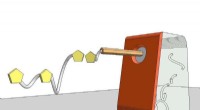
Biosignature detection: Microbes are known to produce distinct chemical signatures or biosignatures, which can be detected through spectroscopic analysis of distant planets or moons. By identifying these biosignatures, scientists can narrow down the search for potentially habitable environments. For example, the presence of certain gases such as oxygen, methane, or nitrous oxide in a planet's atmosphere could indicate the presence of microbial life.
Extremophile adaptations: Many microbes on Earth are extremophiles, meaning they thrive in extreme environments such as high temperatures, high pressure, or acidic conditions. By studying extremophiles, scientists can gain insights into the types of environments that could support microbial life beyond Earth. This knowledge can help guide the search for habitable planets or moons in extreme environments within our solar system and beyond.
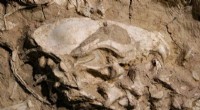
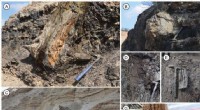
Ancient life detection: Microbes have been present on Earth for billions of years, and some of their fossilized remains have been preserved in ancient rocks. By studying these ancient microbial fossils, scientists can gain insights into the early evolution of life on Earth. This knowledge can help them understand the potential for the emergence of life on other planets or moons that have similar geological histories.
Microbe-mineral interactions: Microbes can interact with minerals to form distinctive structures or biomineralizations. These biomineralizations can be preserved in the geological record and provide evidence of past microbial activity. By studying biomineralizations on other planets or moons, scientists can gain insights into the potential for microbial life in those environments.
Sample return missions: If space missions are successful in retrieving samples from potentially habitable environments on other planets or moons, microbes could play a critical role in analyzing these samples. By utilizing advanced culturing techniques or genetic analysis, scientists can attempt to isolate and study any potential microbial life that may be present in these samples.
In summary, microbes, with their diverse adaptations and unique biosignatures, offer valuable insights into the search for extraterrestrial life. By studying microbes on Earth and their interactions with the environment, scientists can better understand the potential for life to exist beyond our planet and guide the search for habitable environments in the vast expanse of the universe.