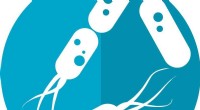
1. Selection of Resistant Bacteria: Antibiotics used in animals can kill susceptible bacteria, allowing the resistant bacteria to survive and multiply. These resistant bacteria can then transfer their resistance genes to other bacteria, including those that can cause infections in humans.
2. Transfer of Resistance Genes: The resistance genes can be transferred between bacteria through various mechanisms such as conjugation, transduction, and transformation. For instance, resistant bacteria in animals can pass on their resistance genes to bacteria that live in the intestines of humans when the animals are slaughtered and processed for food.
3. Environmental Contamination: Antibiotics excreted by animals can contaminate the environment, including soil, water, and manure. The presence of antibiotics in the environment creates selective pressure favoring the survival of resistant bacteria even in the absence of clinical antibiotic use.
4. Subtherapeutic Use: The subtherapeutic use of antibiotics, usually as growth promoters or for disease prevention, can lead to the emergence of resistant bacteria without providing any significant therapeutic benefit.
5. Misuse and Overuse: Similar to antibiotic use in human medicine, the misuse (using antibiotics for viral infections or incorrect dosages) or overuse of antibiotics in veterinary medicine can contribute to the development of resistance.
The use of antibiotics in animals for both therapeutic and non-therapeutic purposes has raised concerns about its potential impact on public health due to the transmission of resistant bacteria to humans through food, direct contact, or environmental exposure.
Therefore, judicious and responsible antibiotic use in veterinary medicine, including following recommended dosage, duration, and indications, is crucial to help minimize the development and spread of antimicrobial resistance.