There are a number of ways to improve the fitness of fish. One is to improve nutrition. Providing fish with a diet that is rich in nutrients can improve their growth, survival, and reproduction. Another way to improve fish fitness is to provide a healthy environment. This means ensuring that the water is clean and free of pollutants, and that there is enough space for fish to swim and grow. Finally, selective breeding can also be used to improve the fitness of fish. By breeding fish that have desirable traits, such as fast growth and disease resistance, it is possible to create fish that are better adapted to survive and thrive in the wild.
By improving the fitness of fish, we can help to ensure that this valuable food source will be available for future generations. In the midst of food insecurity, this could make a significant difference to the lives of millions of people.
Here are some specific examples of how fitter fish can feed more people:
* In 2016, researchers at the University of California, Davis, found that coho salmon that were fed a diet rich in omega-3 fatty acids grew faster and had a higher survival rate than fish that were fed a diet low in omega-3s. This study suggests that providing fish with a nutritious diet can improve their fitness and productivity.
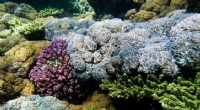
* A study published in the journal Nature in 2018 found that coral reef fish that were exposed to higher levels of carbon dioxide grew more slowly and had a lower survival rate than fish that were exposed to lower levels of carbon dioxide. This study suggests that climate change is harming the fitness of fish, which could have negative consequences for food security.
* In 2019, researchers at the University of British Columbia found that selective breeding can be used to improve the fitness of fish. The researchers bred coho salmon for resistance to a common disease, and the resulting fish had a higher survival rate than wild salmon. This study suggests that selective breeding could be a valuable tool for improving the fitness of fish and increasing food production.
These are just a few examples of the many ways that fitter fish can feed more people. By improving the nutrition, environment, and genetics of fish, we can help to ensure that this valuable food source will be available for future generations.