The MP Gene: A Molecular Maestro
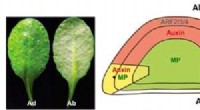
The MP gene encodes a transcription factor, a protein that binds to specific DNA sequences and controls the expression of other genes. In plants, MP plays a pivotal role during early embryonic development, particularly in establishing the root meristem, the region responsible for root growth.
The Two Faces of MP: A Balancing Act
The MP gene acts as a molecular switch through its precise regulation of downstream target genes. It controls the expression of genes involved in cell division, differentiation, and hormone signaling, all essential processes for root meristem development. MP's activity is tightly controlled to maintain a delicate balance between cell proliferation and differentiation, ensuring proper root formation.
Feedback Mechanisms: Keeping the Switch in Check
To prevent uncontrolled growth, plants employ feedback mechanisms that regulate MP's activity. One such mechanism involves the interaction between MP and other transcription factors, creating a network of regulatory interactions. This feedback ensures that MP's expression is fine-tuned to specific developmental stages and environmental cues.
Environmental Cues: Fine-Tuning the Switch
Environmental factors, such as light and nutrients, can influence MP's activity. For instance, in low-nutrient conditions, MP expression is reduced, resulting in smaller root systems to adapt to resource scarcity. Conversely, under high-nutrient conditions, MP expression increases, leading to more extensive root growth to exploit available resources.
Evolutionary Implications: A Switch Across Species
The MP gene and its role as a molecular switch are not limited to a single plant species. Studies across diverse plant groups have revealed the conservation of MP's function, suggesting that this molecular switch has been evolutionarily conserved throughout plant lineages. This conservation highlights the fundamental importance of MP in plant development and adaptation.
Beyond Roots: MP's Versatile Roles
While MP is primarily associated with root development, emerging research suggests its involvement in other plant organs as well. In some species, MP has been implicated in the formation of lateral roots, shoot meristems, and even floral organs. This versatility underscores the broader role of MP as a key regulator of plant growth and development.
Conclusion: A Switch with Profound Impact
The MP gene, acting as a molecular switch, plays a crucial role in shaping plant organ growth and development. Its precise regulation of gene expression, coupled with feedback mechanisms and responsiveness to environmental cues, allows plants to fine-tune their growth strategies in response to various internal and external factors. Understanding the molecular mechanisms underlying MP's function can provide valuable insights into the intricate processes that orchestrate plant development, with potential implications for crop improvement and agricultural practices.