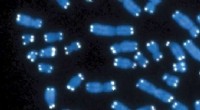
The HGP was a huge success, and it has had a profound impact on our understanding of human biology and disease. However, there is still more to be done. The HGP only sequenced the euchromatic portion of the human genome, which is about 92% of the total genome. The remaining 8% of the genome is made up of heterochromatin, which is a more condensed and repetitive type of DNA. Heterochromatin is more difficult to sequence, and it is thought to contain important information about human evolution and disease.
In addition, the HGP only provided us with a map of the human genome. We still need to understand how all of the genes in the genome work together to produce a human being. This is a daunting task, but it is one that is essential for understanding human biology and disease.
The HGP was a major milestone in human history, but it is only the beginning of our journey to understand the human genome. There is still much more work to be done, but I am confident that we will eventually succeed in unlocking all of the secrets of our DNA.