C. difficile infection is caused by a toxin produced by the bacterium Clostridium difficile. This toxin damages the intestinal lining, leading to diarrhea, abdominal pain, and fever. In severe cases, C. difficile infection can lead to dehydration, kidney failure, and even death.
Current treatments for C. difficile infection include antibiotics and fecal microbiota transplantation (FMT), a procedure in which healthy donor stool is transferred to the colon of a person with C. difficile infection. However, antibiotics can kill beneficial gut bacteria, leading to recurrent C. difficile infection, and FMT is not always effective.
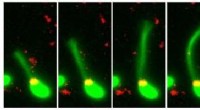
In the new study, the researchers used a combination of techniques, including cryo-electron microscopy and molecular dynamics simulations, to show how the C. difficile toxin gets into gut cells. The toxin forms a pore in the cell membrane, allowing ions and water to flow into the cell. This influx of water and ions causes the cell to swell and burst, leading to cell death.
The researchers also identified a number of potential targets for new drugs to treat C. difficile infection. These targets include the toxin pore and the proteins that help the toxin get into cells. By blocking these targets, it may be possible to prevent C. difficile infection or treat it more effectively.
"Our findings provide new insights into the mechanism of C. difficile infection and could lead to the development of new treatments for this serious disease," said study leader Professor Beat Ernst, from the University of Zurich.