PET and the Plastic Pollution Problem
PET is a synthetic polymer extensively employed in various industries to produce packaging materials, bottles, clothing fibers, and more. Its durability and versatility make it a popular choice, but it also contributes significantly to plastic waste accumulation. Unfortunately, conventional methods for recycling PET are limited, and a large portion of PET waste ends up in landfills, oceans, and natural habitats, posing severe environmental and ecological threats.
Ideonella sakaiensis: Nature's PET Decomposer
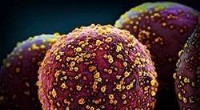
The discovery of Ideonella sakaiensis was groundbreaking as it revealed a natural solution to the PET pollution challenge. This bacterium, isolated from a compost heap in the city of Sakai, Japan, has a unique enzyme system that enables it to break down and utilize PET as its primary source of carbon and energy.
How Ideonella sakaiensis Degrades PET
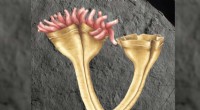
Ideonella sakaiensis produces two crucial enzymes: PETase (PET-degrading enzyme) and MHETase (mono-(2-hydroxyethyl) terephthalate hydrolase). PETase breaks down PET into smaller fragments, while MHETase further degrades these fragments into terephthalic acid and ethylene glycol, which are biodegradable compounds.
Potential Applications and Future Prospects
The discovery of Ideonella sakaiensis opens exciting possibilities for the development of innovative bioremediation strategies to tackle plastic pollution. Scientists are currently investigating ways to harness the bacterium's capabilities in industrial settings to enhance PET recycling and reduce the accumulation of plastic waste.
One potential application is the integration of Ideonella sakaiensis in wastewater treatment plants. PET-polluted wastewater could be diverted to these facilities, where the bacterium could naturally degrade and break down PET, diverting it from polluting water bodies.
Another avenue of exploration is the creation of enzymatic PET recycling systems. Genetically engineered microorganisms or enzymes derived from Ideonella sakaiensis could be employed in industrial processes to efficiently recycle PET waste into reusable materials. This biotechnological approach would significantly reduce the environmental impact of plastic waste.
Challenges and Considerations
While Ideonella sakaiensis presents a glimmer of hope in addressing plastic pollution, there are still challenges to overcome before its full potential can be realized. The bacterium's optimal growth conditions, scalability for industrial applications, and potential ecological implications of its widespread use require careful study and evaluation.
Conclusion
The discovery of Ideonella sakaiensis has sparked optimism in the fight against plastic pollution. By harnessing the bacterium's unique PET degradation abilities, we may unlock new avenues for bioremediation and sustainable plastic waste management. However, further research and development are crucial to ensure the responsible and effective implementation of this promising solution to one of the most pressing environmental challenges of our time.