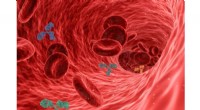
Antibiotic resistance has emerged as a major global health threat, with the World Health Organization (WHO) declaring it one of the top ten global public health challenges. The widespread use and misuse of antibiotics have led to the development of antibiotic-resistant bacteria that can cause severe and potentially life-threatening infections. In response to this growing threat, scientists are actively searching for novel antibiotics to combat resistant bacteria.
New Antibiotic Targets: The Bacterial Membrane
Traditional antibiotics often target essential cellular processes, such as DNA synthesis or protein translation, which are common to both bacteria and human cells. As a result, these antibiotics can also harm human cells, leading to side effects. To overcome this challenge, scientists are exploring new antibiotic targets that are unique to bacteria and essential for their survival. One such promising target is the bacterial membrane.
Anti-resistance Antibiotic: Disrupting Membrane Structure
An emerging class of anti-resistance antibiotics targets the bacterial membrane, specifically the phospholipid bilayer that forms the membrane's barrier. These antibiotics disrupt the integrity and permeability of the membrane, leading to cell death. One such antibiotic is gramicidin, which forms pores in the membrane, allowing essential ions and molecules to leak out of the cell.
Advantages of Anti-membrane Antibiotics
Anti-membrane antibiotics offer several advantages over traditional antibiotics:
1. Selective Toxicity: They selectively target bacterial membranes without affecting human cells, reducing the risk of side effects.
2. Low Resistance Potential: Bacteria are less likely to develop resistance to membrane-targeting antibiotics as the membrane is essential for cell survival and cannot be easily altered without compromising cell function.
3. Synergistic Effects: Membrane-targeting antibiotics can work synergistically with other antibiotics, making it harder for bacteria to develop resistance to multiple drugs simultaneously.
Gramicidin: Mechanism and Applications
Gramicidin is a peptide antibiotic produced by soil bacteria. It forms pores in the bacterial membrane, altering the membrane's permeability and causing cell death. Gramicidin is primarily used as a topical antibiotic to treat skin infections and as an eye drop for bacterial conjunctivitis. Its effectiveness against antibiotic-resistant bacteria has also been explored.
Ongoing Research
Extensive research is ongoing to identify and develop new anti-membrane antibiotics. Scientists are investigating different molecular structures and mechanisms to enhance potency and reduce the potential for bacterial resistance. The search for novel anti-resistance antibiotics is crucial for staying ahead of the evolving threat of antibiotic resistance and ensuring effective treatments for bacterial infections in the future.