Probiotics are live microorganisms that, when consumed in adequate amounts, can provide health benefits to the host. They are found in fermented foods such as yogurt, kefir, and kombucha, as well as in dietary supplements.
The activity of probiotics is essential for their health benefits. However, it can be difficult to measure probiotic activity accurately and reliably. This is because probiotics are complex organisms that can be affected by a variety of factors, such as the food matrix, storage conditions, and the presence of other microorganisms.
A team of chemists at the University of California, Davis has developed a new tool to study probiotic activity. The tool is a biosensor that can detect the production of lactic acid, which is a byproduct of the fermentation process carried out by probiotics.
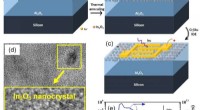
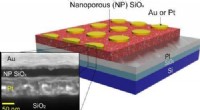
The biosensor is made of a thin film of gold that is coated with a layer of DNA. The DNA is complementary to the DNA of the probiotic bacteria that are being studied. When the probiotic bacteria come into contact with the biosensor, they bind to the DNA and produce lactic acid. The lactic acid changes the electrical properties of the gold film, which can be detected by a computer.
The biosensor can be used to measure the activity of probiotics in a variety of food products and dietary supplements. It can also be used to study the effects of different factors on probiotic activity, such as temperature, pH, and the presence of other microorganisms.
The development of this new tool will help researchers to better understand probiotic activity and how it can be maximized for health benefits.
The Importance of Probiotic Activity
Probiotics are essential for maintaining a healthy gut microbiome. The gut microbiome is a community of trillions of microorganisms that live in the human gut. These microorganisms play a vital role in digestion, immunity, and metabolism.
Probiotics help to maintain a healthy balance of microorganisms in the gut. They can also help to improve digestion, reduce inflammation, and boost immunity. Probiotics have been shown to be effective in treating a variety of health conditions, including diarrhea, constipation, irritable bowel syndrome, and Crohn's disease.
The Challenges of Measuring Probiotic Activity
Measuring probiotic activity can be difficult because probiotics are complex organisms that can be affected by a variety of factors. Some of the challenges of measuring probiotic activity include:
* The probiotics may not be viable. Probiotics are live microorganisms, so it is important to ensure that they are still alive when they are consumed.
* The probiotics may not be able to colonize the gut. Even if probiotics are viable, they may not be able to colonize the gut and establish a long-term presence.
* The probiotics may not be able to produce the desired health benefits. Even if probiotics are able to colonize the gut, they may not be able to produce the desired health benefits.
The New Biosensor for Measuring Probiotic Activity
The new biosensor developed by chemists at the University of California, Davis is a powerful tool for measuring probiotic activity. The biosensor can detect the production of lactic acid, which is a byproduct of the fermentation process carried out by probiotics. This allows researchers to measure probiotic activity accurately and reliably.
The biosensor can be used to study probiotic activity in a variety of food products and dietary supplements. It can also be used to study the effects of different factors on probiotic activity, such as temperature, pH, and the presence of other microorganisms.
The development of this new tool will help researchers to better understand probiotic activity and how it can be maximized for health benefits.