1. Protein Damage and Aging: As we age, our proteins accumulate damage from various factors, including oxidative stress, UV radiation, and metabolic byproducts. This damage can alter protein structure and function, leading to cellular dysfunction and aging-related diseases.
2. Protein Homeostasis: Maintaining protein homeostasis is crucial for overall cellular health. This includes synthesizing new proteins, folding them into proper conformations, and eliminating damaged proteins. Age-related decline in protein homeostasis contributes to the accumulation of misfolded and aggregated proteins, which can further exacerbate cellular damage and aging.
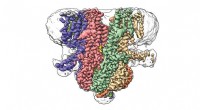
3. Proteasome Function: The proteasome is a cellular machinery responsible for degrading damaged or misfolded proteins. Age-associated decline in proteasome function leads to an accumulation of damaged proteins, contributing to cellular dysfunction and aging. Enhancing proteasome activity can help clear damaged proteins and maintain cellular health.
4. Chaperones: Chaperones are proteins that assist in the folding and stabilization of other proteins. They play a crucial role in maintaining protein homeostasis. Age-related decline in chaperone activity can lead to the accumulation of misfolded proteins and contribute to aging.
5. Protein Cross-linking: Protein cross-linking is a process where two or more proteins form irreversible bonds, leading to loss of function. Age-related increase in protein cross-linking can disrupt cellular processes and contribute to aging. Strategies to reduce protein cross-linking can help maintain protein function and slow down aging.
6. Protein Glycation: Glycation is a non-enzymatic reaction between proteins and sugars, leading to the formation of advanced glycation end products (AGEs). AGEs accumulation is associated with aging and age-related diseases. Limiting glycation and removing AGEs can help protect proteins and delay aging.
7. Autophagy: Autophagy is a cellular process that degrades and recycles damaged proteins and organelles. Age-related decline in autophagy contributes to the accumulation of damaged cellular components and aging. Enhancing autophagy can help clear damaged proteins and maintain cellular integrity.
By protecting our proteins from damage, maintaining protein homeostasis, and enhancing protein quality control mechanisms, we can slow down the aging process and reduce the risk of age-related diseases. Strategies that target protein protection include reducing oxidative stress, maintaining a balanced diet, regular exercise, and potentially using pharmacological interventions that enhance protein homeostasis.