1. Nutrient Control:
- Cells can regulate the availability of essential nutrients to the symbiont. By controlling the supply of specific nutrients, cells can influence the growth and reproduction of the symbionts, preventing overgrowth and maintaining the desired balance.
2. Signal Molecules:
- Cells can release signal molecules or chemical messengers that influence the behavior and gene expression of the symbionts. This communication system enables cells to convey specific instructions and modulate symbiont functions.
3. Immune Responses:
- Cells may utilize immune mechanisms to keep symbiont populations in check. The production of antimicrobial peptides, reactive oxygen species, and other immune factors helps control bacterial growth and prevents excessive colonization.
4. Phagocytosis and Lysosomal Digestion:
- Some cells employ phagocytosis, a process of engulfing and digesting foreign particles, to regulate symbiont populations. Once internalized, the symbionts are broken down within lysosomes, controlling their numbers.
5. Symbiosome Compartmentalization:
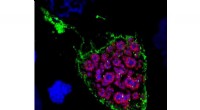
- Cells can compartmentalize symbionts within specialized structures called symbiosomes. These membrane-bound compartments segregate the symbionts from the rest of the cell, enabling controlled interactions and preventing unwanted spread.
6. Horizontal Gene Transfer:
- Horizontal gene transfer can play a role in controlling symbiont behavior. Cells may acquire and incorporate genetic material from their symbionts, gaining control over specific symbiont traits and ensuring compatibility.
7. Symbiont-Specific Proteins:
- Cells can produce symbiont-specific proteins that interact with the symbionts and influence their activities. These proteins may modulate symbiont metabolism, virulence, and response to external cues.
8. Quorum Sensing Inhibition:
- Cells may interfere with the quorum sensing pathways of their bacterial symbionts. Quorum sensing is a cell-to-cell communication mechanism used by bacteria to coordinate behaviors. Disrupting this signaling can alter symbiont behavior and impact their overall impact on the host cell.
9. Regulation of Symbiont Gene Expression:
- Cells can employ epigenetic mechanisms or regulatory RNAs to control gene expression within their symbionts. By modulating symbiont gene activity, cells can influence various symbiont traits and tailor their functions to suit the host's needs.
10. Symbiont Population Diversity:
- Some cells maintain a diverse population of symbionts with different functions. This diversity allows cells to benefit from a wider range of symbiotic services while having the ability to selectively regulate specific symbiont types.
These mechanisms highlight the intricate interplay between cells and their bacterial symbionts, showcasing how cells maintain control and ensure a symbiotic relationship that fosters mutual benefit and survival in various ecological contexts.