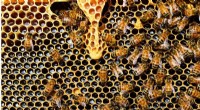
Beekeeper Initiatives: Texas has a large and active beekeeping community dedicated to caring for and maintaining honey bee colonies. Beekeepers employ various management practices, such as integrated pest management and proper hive maintenance, to help bees thrive and reduce colony losses.
Varroa Mite Control: Varroa mites are external parasites that feed on bees and weaken colonies. Beekeepers have been implementing improved Varroa mite control measures, such as using chemical treatments, biological controls, and cultural practices, to reduce the impact of these mites on bee colonies.
Habitat Restoration: Conservation efforts have focused on restoring and enhancing bee habitats. Many organizations, including the Texas Beekeepers Association and the Texas Parks and Wildlife Department, have been involved in planting bee-friendly flowers and creating pollinator gardens. These efforts provide bees with diverse sources of nectar and pollen, which are essential for their nutrition.
Increased Awareness: There has been growing awareness about the importance of bees and pollinators in maintaining ecosystems and agricultural productivity. This awareness has led to educational initiatives, public campaigns, and community involvement to support bee conservation.
Policy Changes: Some positive policy changes have emerged at the state and local levels. For example, certain municipalities in Texas have implemented ordinances to restrict the use of certain pesticides harmful to bees. These regulations help create more favorable conditions for bee survival.
Collaborative Research: Researchers at universities, government agencies, and private organizations in Texas are actively engaged in studying bee health and developing new strategies to improve bee populations. This research contributes to the development of science-based approaches to bee conservation.
It is important to note that the Texas bee population is still vulnerable to various threats, and ongoing efforts are needed to ensure their long-term survival. Monitoring bee health and abundance, continuing research, and implementing effective conservation措施s will be crucial for sustaining healthy bee populations in Texas.