The History of Embalming
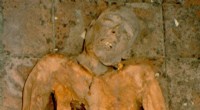
The earliest evidence of embalming dates back to ancient Egypt, where the practice was first developed around 3000 BC. The ancient Egyptians believed that the body was the home of the soul, and that embalming was necessary to preserve the body so that the soul could continue to live after death.
Embalming was also practiced by other ancient civilizations, such as the Greeks, Romans, and Chinese. In the Middle Ages, embalming was used to preserve the bodies of wealthy and important people. However, it was not until the 19th century that embalming became more widespread, due to advances in medical technology and the development of new embalming fluids.
How Embalming Works
The embalming process typically begins by washing the body and removing any dirt or debris.
The body is then placed in a cold storage facility to slow down decomposition.
The embalmer then makes a small incision in the body, typically in the groin or neck, and injects a mixture of embalming fluids into the body.
These fluids contain preservatives such as formaldehyde, glutaraldehyde, or alcohol, which help to slow down the decomposition process and preserve the body's tissues.
The body is then massaged to distribute the embalming fluids and remove any air pockets.
The embalmer may also use other techniques, such as injecting the body with a hardening agent or applying a sealant to the skin, to help preserve the body.
Types of Embalming
There are two main types of embalming:
Arterial embalming is the traditional method of embalming, and it involves injecting embalming fluids into the arteries of the body.
Cavity embalming is a less invasive method of embalming, and it involves injecting embalming fluids into the body's cavities, such as the chest and abdomen.
The Type of embalming used in any particular case depends on the individual circumstances and the preferences of the family.
Embalming Today
Embalming is still commonly used today, although it is not required by law in all cases. Embalming can help to preserve the body for viewing at a funeral, and it can also help to slow down the decomposition process, making it easier to transport the body to a distant location for burial or cremation.