Hereditary illnesses are passed down from parents to children through genes. Genes are found on chromosomes, which are structures in the nucleus of cells that contain the genetic information needed to build and maintain an organism. Each gene contains instructions for making a specific protein. Proteins are essential for life, and they play a role in everything from building and repairing tissues to regulating metabolism.
Some genes are essential for life, while others are not. If a mutation occurs in a gene that is essential for life, the organism will not be able to survive. However, if a mutation occurs in a gene that is not essential for life, the organism may be able to survive, but it may have a genetic disorder.
Genetic disorders can be caused by a variety of factors, including:
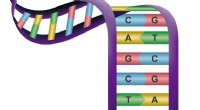
* Mutations: Mutations are changes in the DNA sequence. They can be caused by environmental factors, such as radiation and chemicals, or they can occur spontaneously.
* Deletions: Deletions are where sections of DNA are missing. They can be caused by environmental factors, or they can occur spontaneously.
* Insertions: Insertions are where sections of DNA are inserted into the DNA sequence. They can be caused by environmental factors, or they can occur spontaneously.
* Inversions: Inversions are where sections of DNA are flipped upside down. They can be caused by environmental factors, or they can occur spontaneously.
Any of these factors can disrupt the normal function of a gene and lead to a genetic disorder.
How Hereditary Illnesses Are Inherited
Hereditary illnesses can be inherited in a variety of ways, including:
* Autosomal dominant inheritance: With autosomal dominant inheritance, only one copy of the mutated gene is needed to cause the disorder. This means that if a person has one copy of the mutated gene, they will have the disorder.
* Autosomal recessive inheritance: With autosomal recessive inheritance, both copies of the gene must be mutated to cause the disorder. This means that if a person has one copy of the mutated gene, they will not have the disorder, but they will be a carrier of the gene. They can pass the mutated gene on to their children, and if the children also inherit the mutated gene from the other parent, they will have the disorder.
* X-linked inheritance: With X-linked inheritance, the mutated gene is located on the X chromosome. Males are more likely to have X-linked disorders because they only have one X chromosome. Females have two X chromosomes, so they need to have two copies of the mutated gene to have the disorder.
Hereditary Illnesses and Genetic Testing
Genetic testing can be used to identify mutations that cause hereditary illnesses. This information can be used to:
* Diagnose genetic disorders
* Determine the risk of developing a genetic disorder
* Develop treatments for genetic disorders
Genetic testing is becoming increasingly common as more and more genetic mutations are identified. This is leading to better diagnosis and treatment of hereditary illnesses.
Here are some examples of hereditary illnesses:
* Cystic fibrosis: Cystic fibrosis is a genetic disorder that affects the lungs, pancreas, and other organs. It is caused by a mutation in the CFTR gene. Cystic fibrosis is inherited in an autosomal recessive manner.
* Sickle cell anemia: Sickle cell anemia is a genetic disorder that affects the red blood cells. It is caused by a mutation in the HBB gene. Sickle cell anemia is inherited in an autosomal recessive manner.
* Huntington's disease: Huntington's disease is a genetic disorder that affects the brain. It is caused by a mutation in the HTT gene. Huntington's disease is inherited in an autosomal dominant manner.