1. Origin: Stem cells can be derived from various sources, including embryos, umbilical cord blood, adult tissues, and induced pluripotent stem cells (iPSCs). Embryonic stem cells (ESCs) come from early-stage embryos, while adult stem cells (ASCs) are found in specific tissues throughout the body. iPSCs are created by reprogramming adult cells back to a pluripotent state.
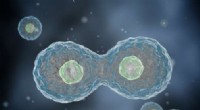
2. Self-Renewal: Stem cells have the ability to divide symmetrically, producing two identical daughter stem cells. This self-renewal process allows them to maintain a pool of undifferentiated cells that can be continuously replenished.
3. Differentiation: When stem cells receive specific signals, they can differentiate into various specialized cell types. This differentiation process involves gene regulation, where specific genes are activated or repressed to determine the cell's fate. For example, a stem cell can differentiate into a neuron, a heart muscle cell, or a skin cell, depending on the signals it encounters.
4. Directed Differentiation: In a laboratory setting, scientists can direct the differentiation of stem cells into specific cell types by providing the appropriate growth factors and culture conditions. This controlled differentiation is crucial for generating desired cell populations for research and therapeutic purposes.
5. Tissue Repair and Regeneration: Stem cells play a vital role in tissue repair and regeneration throughout the body. When tissues are damaged due to injury or disease, stem cells can differentiate and replace damaged cells, aiding in the healing process.
6. Therapeutic Applications: Stem cell-based therapies hold immense promise for treating a wide range of diseases and conditions. Scientists are exploring the use of stem cells to repair damaged tissues, replace dysfunctional cells, and regenerate organs. Research is ongoing to understand how stem cells can be safely and effectively harnessed for therapeutic applications.
It's important to note that much of stem cell research is still in the experimental stages, and there are ongoing ethical considerations and technical challenges associated with their use. However, the potential benefits of stem cell-based therapies have generated excitement in the field of medicine, and further advancements could revolutionize the treatment of various diseases and injuries in the future.